Animal Reproductive Biotechnology Center
Civil, Geotechnical, Structural, Survey
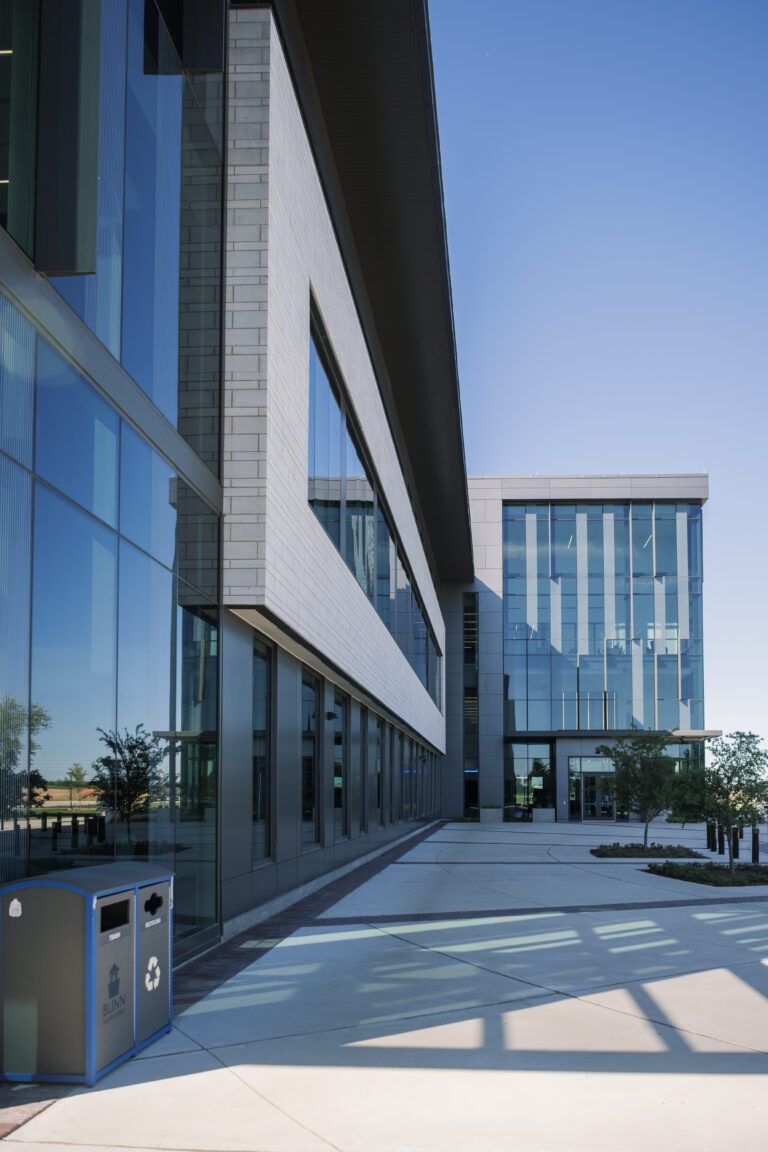
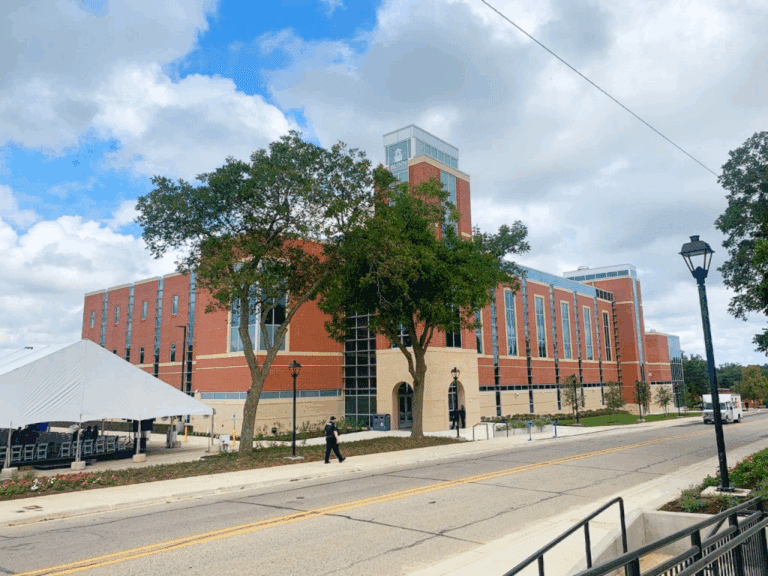
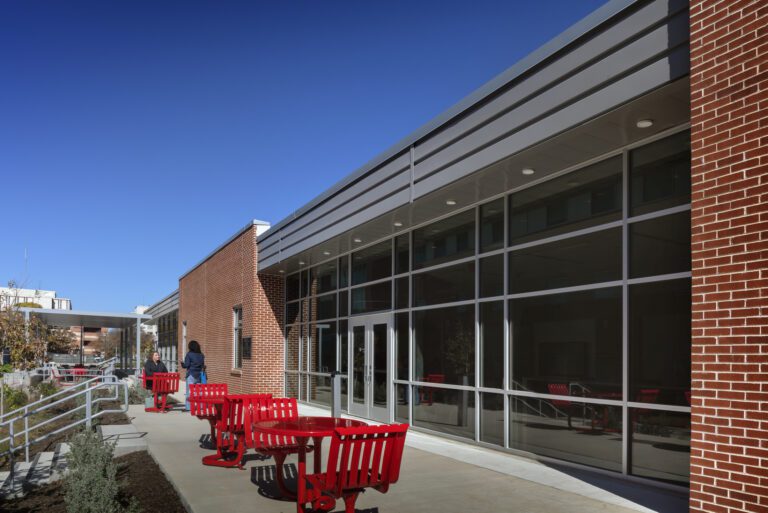
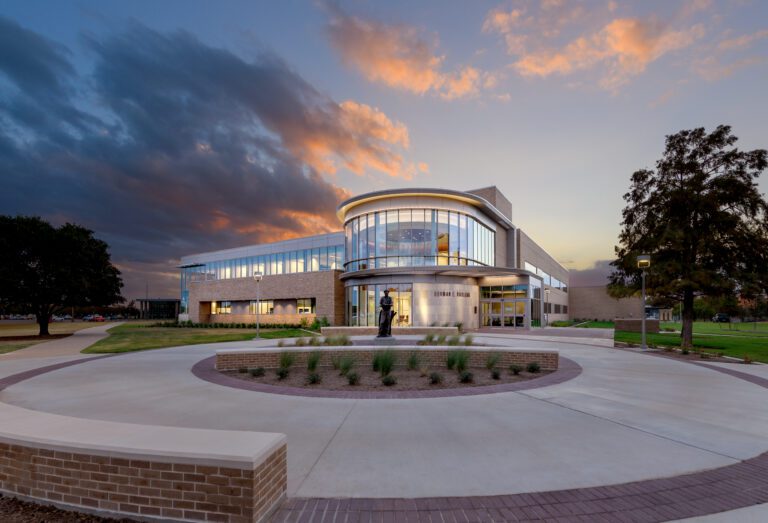
The Animal Reproductive Biotechnology Center is designed to advance research in pregnancy and developmental programming for domestic animals. The center integrates both specialized laboratories and expansive animal handling areas. Gessner reduced subsurface and constructability risks through targeted geotechnical investigation and GPR analysis, providing clear direction for safe foundation and paving design. Detailed surveying and an archaeological desktop review further supported planning utilization of structural steel frames in combination with a void supported foundation system worked to provide maximum flexibility for modification of the center in the future. Integrated civil design resolved drainage, access, stormwater, and utility challenges across the 20-acre site. Integration of these services and consistent support through construction was instrumental in helping deliver a resilient, functional research facility prepared for long-term use.
Location
Completion date
Construction Value
Project Size
Challenges
The project presented both structural and geotechnical challenges, including extensive project goals related to budget and expansive soil conditions at the RELLIS campus. These factors required the design team to balance cost-efficiency with performance while still meeting project requirements for durability and constructability.
Solutions
To stay within budget, Gessner worked closely with the CMAR to refine the structural systems and modularize the animal pen foundation. This allowed for phased construction without compromising performance. Auger-cast piles were incorporated to mitigate uplift forces and improve constructability in the stratified soils with perched groundwater. Close coordination with the civil team ensured seamless integration with the site’s drainage design. In addition, live-linked models were used to coordinate in real time with the MEP disciplines, quickly resolving conflicts and streamlining the design process. These collaborative efforts resulted in a cost-effective, well-coordinated solution, including the animal pen alternate.